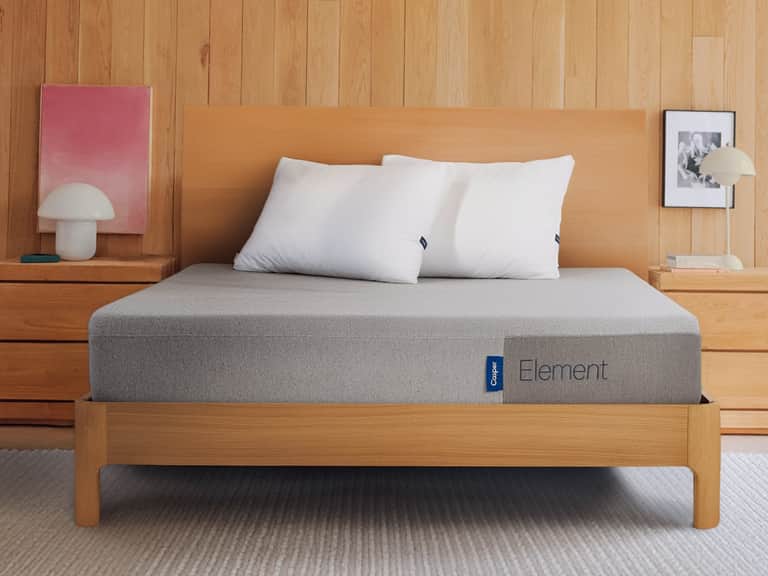
Foam mattresses are layered sleeping surfaces designed to provide contouring support and pressure relief, often through high-density polyfoam or memory foam formulations. This category highlights how foam matrices adapt to body shape, distribute weight evenly, and minimize motion transfer for restful sleep. Key features include density, foam type, and thickness, which influence durability and overall comfort.
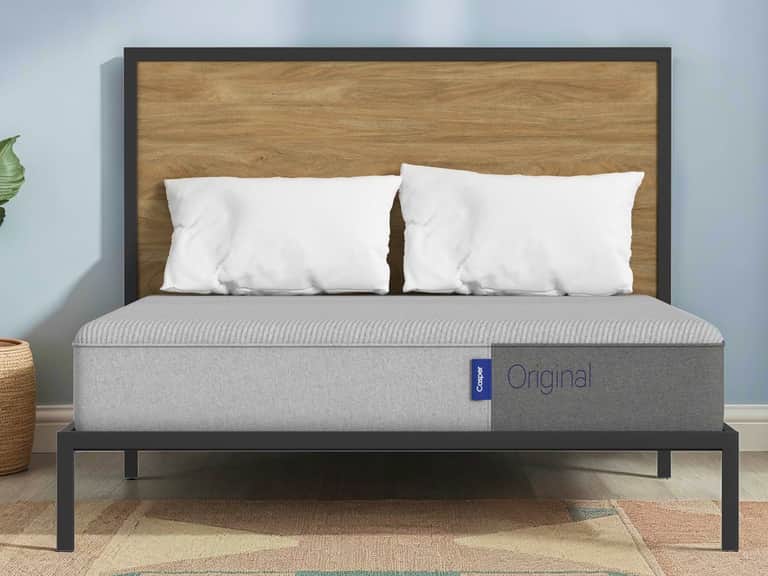
The Original Mattress represents a balanced foam construction with medium firmness and targeted zoning to support the spine while accommodating different sleep positions. It emphasizes conforming properties and breathability, helping regulate temperature and reduce hot spots. Consumers benefit from a stable, supportive feel suitable for varied workloads and nightly rest.
The Element Mattress introduces a engineered foam system that prioritizes adaptive support and durability. Its layered design focuses on pressure distribution across critical body regions, while maintaining ease of handling and maintenance. This model often incorporates breathable foams and removable covers to enhance hygiene and longevity.
Foam mattresses in this category are commonly chosen for their motion isolation, which minimizes partner disturbance, and their ability to reduce peak pressure points at shoulders and hips. Users should evaluate density and indentation load deflection to gauge resilience, longevity, and how well the mattress sustains comfort over time.
In educational terms, understanding foam mattress construction helps compare alternatives such as organic or specialty foams and how they interact with foundations or adjustable bases. By examining product features like density, firmness, cooling technologies, and material certifications, informed decisions can be made about suitable bedding options and overall sleep quality.
 Mattresses