Pocketed vs Bonnell Coils: A Uplifting Guide to Support and Longevity in Innerspring Beds
A careful, field-tested comparison of the two dominant coil architectures—pocketed and Bonnell—illuminating how each design shapes support, motion isolation, durability, and the sleeping experience across positions. With a nod to enduring craftsmanship and a reverence for materials, this article ventures into the inner workings that influence nightly comfort.
Introduction: The Coil as Conductor of Sleep
In the orchestra of an innerspring mattress, coils act as individual musicians contributing to a symphony of support. The two most common forms—pocketed coils and Bonnell coils—demonstrate distinct design philosophies. Pocketed coils, each enrobed in its own fabric pocket, invite highly localized response, while Bonnell coils, linked in a shared frame, deliver a traditional, reinforced feel with a different rhythm of conforming. When you lie down on a bed built with either system, you’re not merely resting on separate elements; you’re experiencing a carefully tuned interaction between support, contour, motion, and durability.
This piece unpacks what those differences feel like in practice, how they influence various sleep positions, and what readers should consider when evaluating a new innerspring. It’s a guide designed to be neutral in tone, focusing on construction principles and the implications for comfort and longevity rather than brand narratives.
Pocketed Coils: Individuality in Response
Pocketed coils—often termed individually wrapped or encased coils—are each housed in a fabric pocket. This arrangement isolates movement so that when one sleeper shifts, the neighboring coils remain relatively still. The architectural consequence is a refined motion isolation that can translate to less partner disturbance and a more tailored feel for spinal alignment. The cores can be adjusted in firmness, gauge, and count to target specific zones such as lumbar support or shoulder relief. The result is a mattress that can read as more responsive to localized pressure changes, while still offering a stable sleeping surface.
The pocketed design also plays a critical role in airflow and temperature management. Each coil can breathe, aided by the gaps between pockets, which can contribute to a cooler sleep surface. Materials surrounding the coil—such as padding, foams, and latex—affect overall temperature and hug. In many modern setups, a layered approach combines the breathability of pocketed coils with breathable toppers to sustain comfort across seasons.
From a durability stance, pocketed coils often exhibit strong longevity because failure mechanisms localize; if a coil begins to sag, it tends to affect a reduced footprint rather than the entire core. That said, the durability also depends on coil gauge, coil count, edge support, and the quality of the pocketing seams. A well-engineered pocketed system distributes weight with a nuanced balance that can support side sleepers and mixed sleepers efficiently.
Bonnell Coils: Tradition, Continuity, and Edge Support
Bonnell coils are the classic, interconnected units that form a continuous lattice in the mattress core. The traditional Bonnell design uses hourglass-shaped coils linked together, creating a solid, zone-agnostic suspension that tends to translate into a firmer, more uniform feel. This construction has endured for decades due to its durability and the security of a shared support system. For sleepers seeking a familiar, substantial pushback and robust edge support, Bonnell-coil mattresses deliver a dependable baseline.
Edge support remains a prominent consideration with Bonnell systems. Since the coils share a frame, the outer edge can remain strong through precise border reinforcement and tufting. The design can be particularly attractive for those who value a stable sit-down edge, essential for seating on the bed or for those who regularly use the periphery for getting in and out of bed.
The durability story for Bonnell coils is long and well-told: steel is a resilient medium, and when paired with quality fabrics, zoning, and durable edge treatment, Bonnell configurations can endure high usage without sagging. However, the evenly distributed load profile of Bonnell systems might translate into a firmness that some sleepers experience as less contouring at the shoulders or hips compared to pocketed systems. This is a matter of personal preference and sleep position compatibility.
Practical Buying Guide: How to Choose Between Pocketed and Bonnell
When evaluating coil systems, consider a compact buying checklist that centers on alignment, support, motion isolation, and durability. Below are neutral guidelines that can help readers assess options across both coil types without brand bias.
Sleep position alignment: Side sleepers often benefit from localized contouring; back and stomach sleepers may prefer a firmer, more uniform support, which Bonnell systems often provide.
Motion isolation vs. bounce: Pocketed coils generally reduce motion transfer, which is advantageous for couples or light sleepers who awaken easily. Bonnell systems can feel more buoyant or anchored, depending on pocketed foam layers in the comfort system.
Edge support: Edge reinforcement is essential for those who sit or sleep near the edge. Bonnell designs can excel when paired with strong border coils and upholstery; pocketed systems rely on edge foam or encasement design to prevent roll-off.
Durability and weight distribution: A higher coil count with appropriate gauges can improve durability in pocketed systems, while Bonnell constructions emphasize long-term stability through robust coil warpage resistance and border stabilization.
Infill and comfort layers: The performance of either coil type hinges on the comfort layers above the coils—memory foam, latex, high-density polyfoam, wool, cotton—each with its own thermal and pressure-relief characteristics.
To help readers translate these considerations into a concrete decision, a model-agnostic checklist can be used: assess the target firmness, test pressure relief at common contact points (shoulders, hips, lower back), evaluate edge performance by sitting on the bed’s perimeter, and observe how the mattress responds to movement. The aim is to find a configuration that maintains spinal alignment across sleep positions and reduces wakefulness caused by discomfort.
Durability, Maintenance, and Longevity
Durability in coil systems depends on coil material, finishing, and the interplay with the comfort layers. Pocketed coils tend to distribute stress more locally; when well-constructed, they resist sagging and maintain contouring over a longer horizon. Bonnell systems, with their continuous structure, benefit from a consistent load path, which helps mitigate localized wear but may require careful attention to edge reinforcement to prevent lateral compression over time.
Care tips that support longevity transcend coil type. Regular rotation (where recommended by the manufacturer), appropriate foundation support, and using a supportive bed frame aligned to the mattress’s weight distribution all contribute to maintaining the integrity of the core. Mattress protectors, breathable covers, and proper temperature regulation in the sleeping environment also influence how long the core and comfort layers behave as intended.
Case Studies: Notable Executions from the Industry’s Tapestry
Across time, designers and craftspeople have demonstrated how coil choices define the sleep experience. Three key figures—each from distinct epochs—embody the lineage of mattress innovation and the pursuit of better rest.
1) John Napier: The Era of Mechanized Comfort (Early 20th Century)
Napier’s era saw a transition from hand-tung and basic coil assemblies toward more standardized coil systems. The shift toward more predictable manufacturing methods created a milieu in which Bonnell-style coils became a durable backbone for many early spring mattresses. These efforts laid groundwork for later innovations in border support and layered padding, shaping how future generations would perceive firmness, resilience, and the interplay of core and comfort layers.
2) Florence Nightingale (Sleep Hygiene Advocate, Late 1800s to Early 1900s): The Human Side of Bedding
While Nightingale’s work predates modern foam and pocketed systems, her emphasis on rest, hygiene, and environmental quality echoes in contemporary bedding design. The care philosophies that emphasize breathable fabrics, clean construction, and temperature regulation align with the long-standing goal of a sound night’s sleep, a principle that underpins modern coil choices and the materials that accompany them.
3) Modern Connoisseurs: The Craft Revival (Late 20th to 21st Century)
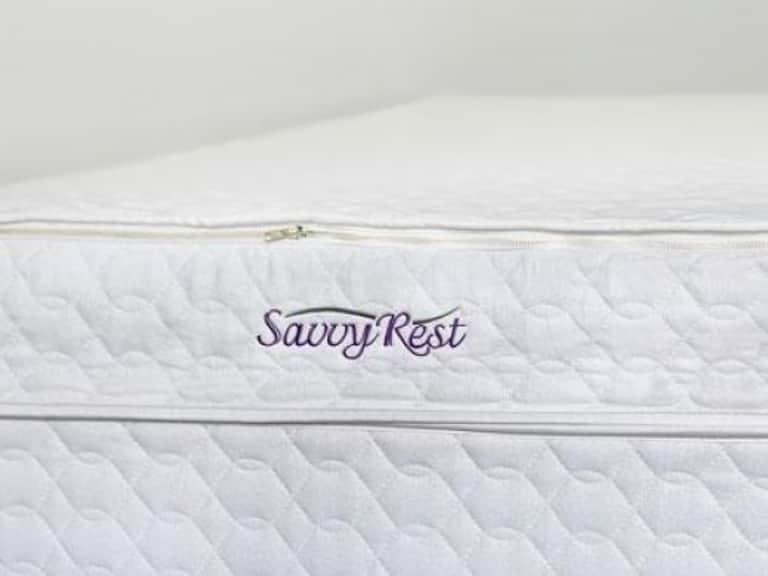
This contemporary thread includes artisans who revived hand-tufting, premium pocketed coil artistry, and edge-binding techniques. Makers like Vispring and Savvy Rest have amplified the craft of mattresses, blending traditional handwork with modern materials. The result is a curated sleep experience where coil type choice remains a central element of the product’s identity, while the materials above the coils—wool, latex, organic cotton—shape the response to temperature and pressure. These designers marry durability with luxury, elevating the coil system from functional core to an experience of restorative rest.
Taken together, these narratives illustrate how coil systems are more than mechanical components; they are embedded in a continuum of craft, comfort, and the science of sleep. The contrast between pocketed and Bonnell systems reflects a broader spectrum of consumer preferences—a spectrum that values motion isolation and contouring on one end, and edge stability and enduring support on the other. The reader’s choice should be grounded in a concrete assessment of personal sleep patterns, body weight distribution, and preferred sleeping positions, all of which interact with the mattress's core in meaningful ways.
This article is part of a broader exploration of innerspring bed construction and sleep science. For a practical checklist and a starter content plan, consider the editorial roadmap outlined in the companion materials of innerspringbed.com.
Experience weightless, breathable luxury: a vicuña-soft sleep surface with responsive springs and temperature-regulating fibers that cradle you from edge to edge while your partner stays undisturbed.
Affordable, customizable latex mattress for kids and small adults, made in America with organic wool and cotton. Two latex layers tailor firmness, breathable sleep, easy setup, fits adjustable bases, and backed by a 20-year warranty.
Sink into breathable British wool, tuned for perfect temperature and timeless support; independent Vanadium coils cradle each sleeper, with options for soft to extra firm and split kings, staying firm at the edge and reducing movement for serene, lasting comfort.