Innerspring bed guide
A Closer Look at the Elite Mattress: Materials, Feel, and Fit
A mattress is more than a surface to sleep on. Its hidden structure, the layers above its springs, and the foundation beneath it all shape how it feels night after night. If you are considering the Vispring Elite, learning how to examine those details can help you decide whether this particular bed suits your body, bedroom, and expectations.
Published November 17, 2026
Start with the mattress in front of you
The word “Elite” may suggest a particular level of comfort, but a model name cannot tell you everything that matters. Mattress specifications can differ by size, configuration, market, or production period. Before drawing conclusions about the Vispring Elite, check the current details for the exact version you are considering. Ask what is inside it, how the support system is built, which comfort options are available, and whether the listed materials apply to your chosen size.
This is especially important when researching a mattress built from multiple components. A description may identify a spring system, upholstery layers, a cover, or a particular finish, yet leave important questions unanswered: How many layers are present? What materials make up each layer? Is the comfort feel fixed or configurable? Are there differences between sizes? The most useful information is specific enough to connect construction with the way the bed may feel.
Approach the process like a careful field observation. Read the manufacturer’s current product information, then ask the retailer to confirm any points that affect your decision. If a detail is unclear, do not treat an assumption as a specification. A short list of questions can turn a polished product description into a practical understanding of the mattress.
Why materials matter
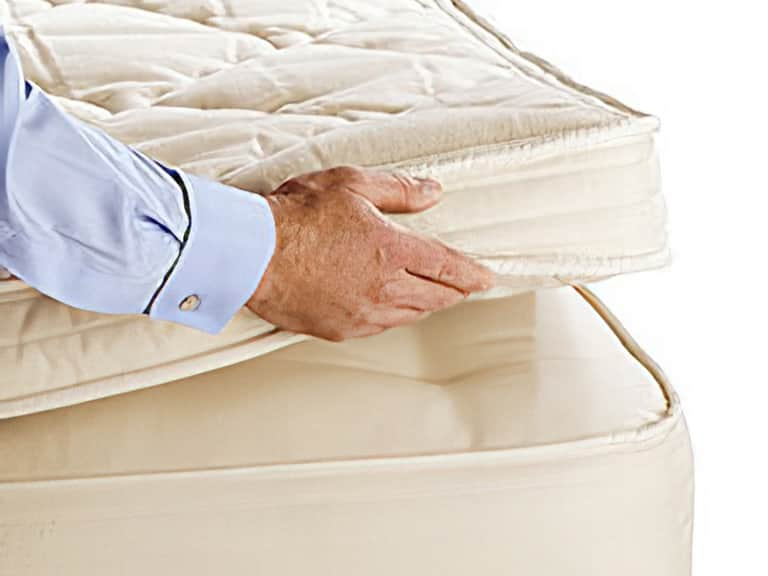
A mattress is a small landscape of materials, each with its own role. The support core helps carry body weight and maintain a stable sleeping surface. Comfort layers sit closer to the sleeper, influencing cushioning, pressure relief, and the initial impression of softness or firmness. The outer cover and quilted surface affect touch, breathability, and how the mattress presents itself at first contact.
When evaluating Vispring mattress materials, look for a clear breakdown rather than relying on broad labels such as “natural,” “luxury,” or “premium.” Those words may describe a product’s positioning, but they do not tell you what a particular layer contains or how thick it is. Ask for the material names, their locations in the mattress, and whether they are used throughout the range or vary by configuration.
Material choices can influence several aspects of the sleep experience:
- Surface response: Some layers yield quickly under pressure; others feel more resilient or buoyant.
- Pressure distribution: The padding above the support core can change how the shoulders, hips, and other contact points feel.
- Temperature and airflow: The combination of cover, upholstery, and internal construction may affect how warm the bed feels. No single material guarantees that a sleeper will remain cool.
- Maintenance: Care requirements, rotation guidance, and restrictions on cleaning can differ. Follow the instructions for the specific model.
- Durability considerations: Construction quality, use, foundation compatibility, and care all contribute to long-term performance.
When comparing product descriptions, separate verifiable construction facts from general comfort language. A stated material or component is a fact to confirm; phrases such as “deeply supportive” or “cloud-like” are impressions that may not translate the same way for every sleeper. Both can be useful, but they answer different questions.
The spring system: support beneath the surface
In an innerspring mattress, the spring unit is a central part of the support system. Spring design, arrangement, and interaction with surrounding layers can affect how the bed responds when someone lies down or changes position. The surface padding matters too: a spring core does not act alone, and the same type of support system can feel quite different when paired with different upholstery.
Ask the seller to explain the Elite’s current spring construction in plain language. Find out what type of springs are used, how they are arranged, and whether the product information describes any zones or other variations across the sleeping surface. If the answers rely on jargon, ask what the design is intended to do and what a sleeper might notice. You are not looking for a technical performance promise; you are looking for enough detail to understand the design you are buying.
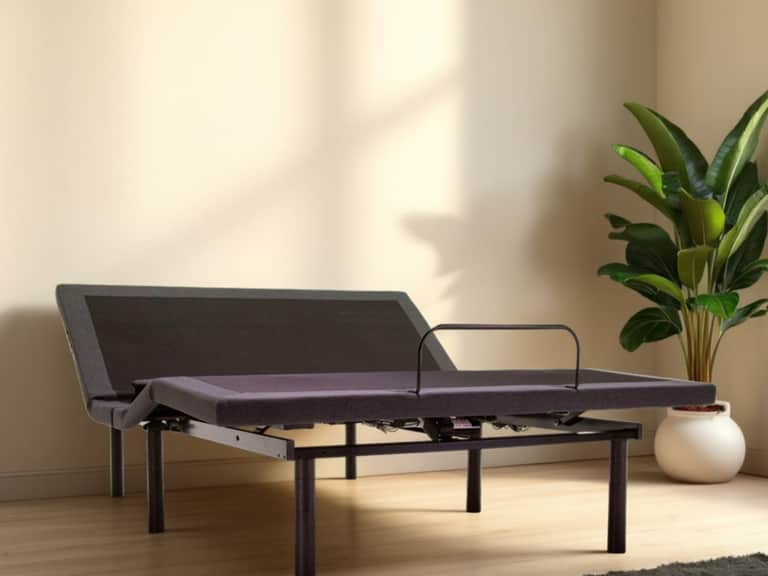
It is also worth asking how the mattress should be supported. A suitable base can help provide an even, stable platform, while an incompatible or worn foundation may affect the way a mattress performs. Confirm the manufacturer’s requirements for slats, spacing, frame type, or foundation before purchase. If you already own an adjustable base, verify compatibility rather than assuming that any mattress can be used with it.
Comfort is personal—and position changes the test
“Firmness” is an imperfect shorthand. It describes a sensation, not a universal measurement of support. A mattress that feels plush to one person may feel firmer to another, depending on body shape, weight distribution, sleep position, and personal preference. Even two people sharing one bed can experience the same surface differently.
Try the Vispring Elite in the positions you actually use. If you sleep on your side, notice whether your shoulder and hip feel comfortably cushioned without the rest of your body seeming to sink too deeply. If you sleep on your back, pay attention to whether the surface feels evenly supportive rather than sharply firm or hammock-like. Stomach sleepers may prefer a surface that limits excessive sinking around the midsection, though individual needs vary.
Lie still for several minutes, then change position. A quick sit on the edge or a brief test in a showroom gives only a partial impression. Notice whether it is easy to turn, whether movement feels controlled, and whether pressure builds at any contact point. If you share the bed, test it together. Consider whether one person’s movement is noticeable to the other and whether each sleeper feels supported in their preferred position.
Do not confuse a soft surface with inadequate support, or a firm surface with better support. Comfort and support are related but distinct. A mattress can feel cushioned at first touch while still providing a stable underlying structure; conversely, a very firm sensation does not automatically mean the body is well aligned. The useful question is whether the mattress feels comfortable and adequately supportive for you, over time and in your normal sleeping positions.
A showroom visit is a small experiment
Testing a mattress in person is most helpful when you make the test deliberate. Wear comfortable clothing, remove bulky outer layers, and spend enough time on the bed to notice more than the first impression. Use your usual pillow if practical, since pillow height can alter how your neck and shoulders feel. Try the positions you sleep in, and pay attention to how the surface responds as you move.
Use a simple checklist while you test:
- Does the mattress feel comfortable after several minutes, not just at first contact?
- Can you change position without feeling trapped or jolted?
- Do your shoulders, hips, and lower back feel reasonably comfortable in your usual position?
- Does the surface feel too warm, too soft, or too firm for your preference?
- If sharing, do both sleepers find a workable position and level of comfort?
- Is the height appropriate for your frame, bedding, and ease of getting in and out?
A showroom cannot reproduce months of sleeping at home. Treat the visit as one source of evidence, not a guarantee. If you cannot try the exact mattress configuration, ask whether the model on display differs from the version you would receive. A variation in firmness or construction could change the experience enough to matter.
Check the fit beyond comfort
A mattress can feel promising and still be a poor practical fit. Start with dimensions. Confirm the mattress size against the bed frame, foundation, and available bedroom space. Do not rely only on names such as queen or king: measure the frame and check the manufacturer’s published dimensions, especially if the bed is an unusual size or a close fit in the room.
Measure doorways, stairs, hallways, and tight turns along the delivery route. A mattress that fits the bedroom may be difficult to bring into it. Ask how the mattress is delivered, whether it arrives assembled, and what assistance or access arrangements are needed. If your home has narrow stairs or an elevator, mention that before scheduling delivery.
Think about the complete bed setup. Mattress depth influences sheet-pocket requirements and overall bed height. The frame or foundation may need to meet specific support requirements. If you use a mattress protector, check that it fits the mattress profile without pulling tightly across the surface. A protector that is too small can distort the fit of the bedding and may make the bed feel different.
For a shared bed, consider the usable sleeping area, not just the room dimensions. The chosen size should leave space for movement around the bed and allow for nightstands, doors, drawers, or other furniture. A well-fitting mattress is one that suits both the sleepers and the room it occupies.
Questions to ask before deciding
Before placing an order, seek clear answers to questions that affect construction, comfort, ownership, and recourse:
- What are the current materials and construction details for this exact Vispring Elite model and size?
- Are there comfort options, and how do they differ in feel or specification?
- What type of foundation or bed frame is required?
- What are the mattress dimensions, height, and weight?
- Does the manufacturer recommend rotating the mattress, and if so, how often?
- What are the warranty terms, and what conditions could affect coverage?
- Is there a home trial or return period? What fees, conditions, or collection arrangements apply?
- How is delivery handled, and what should be prepared before arrival?
- Which care instructions apply to the cover and other parts of the mattress?
Keep written confirmation of the specifications and terms that matter to you. Warranty coverage, trial policies, and delivery arrangements can differ by seller and location. Read the actual terms instead of relying on a short verbal summary. A return period is useful only if you understand its length, conditions, costs, and process.
Consider the adjustment period
A new mattress may feel unfamiliar even when it ultimately proves comfortable. Your body has spent time adapting to the old surface, so the first night is not always a complete measure of the new one. At the same time, persistent discomfort should not be dismissed as an inevitable adjustment. Notice how the bed feels across different positions and nights, and use the retailer’s trial process if it is available and needed.
During the trial period, keep your setup consistent where possible. Use the intended foundation, a suitable protector, and familiar bedding. Make brief notes about comfort, temperature, ease of movement, and how you feel on waking. This makes it easier to identify a repeated pattern rather than relying on a single unusually good or poor night.
Follow the specific care guidance for the mattress. Do not assume that every design should be flipped or rotated in the same way. Some models may have designated top and bottom surfaces or other instructions. Using the wrong care routine could create problems or affect warranty terms.
How to make a balanced decision
It helps to separate must-haves from preferences. A must-have might be compatibility with your bed frame, a particular size, or a clear return policy. Preferences might include a more cushioned surface, a certain material, or a particular overall height. Rank these before you shop, then compare what the current product information confirms against what you have actually experienced.
Be cautious of sweeping claims. No mattress is right for every body, and construction details alone cannot predict an individual’s comfort with certainty. Likewise, the most expensive option is not automatically the most suitable. A well-informed choice depends on a match among materials, feel, sleep habits, room requirements, foundation, and ownership terms.
If you are weighing the Elite against other beds, compare like with like. Look at mattress dimensions, construction, available comfort choices, and policies—not just model names or headline descriptions. A simple comparison chart can keep the decision grounded:
- Construction: What materials and support system are confirmed?
- Feel: How did it feel in your normal positions during a careful test?
- Fit: Does it work with your frame, foundation, room, and bedding?
- Ownership: Are care, delivery, trial, and warranty terms acceptable?
- Confidence: Which details remain uncertain, and can the seller clarify them?
The final measure is how it works for you
The Vispring Elite is best evaluated not as a name on a label, but as a particular mattress with materials, construction, dimensions, and policies that should be checked in their current form. The springs and layers tell part of the story. The rest emerges when you test the feel in your sleeping positions, confirm compatibility with your bed setup, and understand what happens after purchase.
Take time with the questions. Ask for specifications rather than assuming them. Try the mattress long enough to form a considered impression, and read the fine print on returns and care. That measured approach cannot promise perfect sleep, but it can replace guesswork with a clearer picture of whether the bed fits your needs.